

Sunroofs and Carwashes
Is there anything better than a sunny-day drive with the glass roof open? No wonder power sunroofs are such a popular option.
But there are a few drawbacks to these pseudo open-air features that owners need to keep in mind.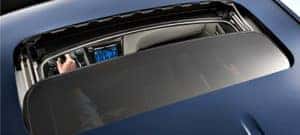
While glass roof panels are supposed to be “water-tight”, certain events can overcome their sealing power—namely car-washes. If you put on your best reading glasses and peruse the fine print in your owner’s manual, for most vehicles you will find a disclaimer that states the maker will not be responsible for any leaks incurred in a car wash.
The sheer volume and water pressure for most touch-less car-washes will let water get past the seals and into the tray that surrounds the glass. (Most car wash facilities will have their own disclaimer signs as well).
Yes, that tray does have a water drain at each corner (to safely lead water out when the glass is left open accidentally) but their tubes are narrow and can’t handle a lot of volume at once.
If you’re really stuck on using an automated car-wash for your glass-roofed ride, consider a touch-type facility that uses less water volume and pressure, or try a manual-style wash bay.
Those water drains should be checked once or twice a year to ensure they’re flowing freely. Small leaf pieces or pine needles can easily block them. All you have to do is gently pour a small amount of water in the tray when the roof is open and check for water flows at each corner.
The front drains should exit just behind the front wheels and the rears just forward of the rear wheels at the outer edge of the undercarriage. Every so often you these drains could fill with debris, specifically if you park under a tree often. If you find one or more drains blocked, the safest way to try to clear them is a few gentle shots of compressed air. If you don’t trust your trigger finger on an air compressor hose to deliver a gentle blast, use a can of compressed air sold by most electronic retailers.

0 comment(s) so far on Sunroofs and Carwashes